PCOS just got a new name. It is now calle PMOS.
As of May 12, 2026, polycystic ovary syndrome (PCOS) has officially been renamed polyendocrine metabolic ovarian syndrome (PMOS). The change was published in 'The Lancet' following a 14-year global consensus process involving over 50 professional and patient organizations and more than 22,000 voices worldwide.
If you have been diagnosed with PCOS, your condition has not changed. The name has.
Why PCOS Was Renamed to PMOS
The old name was scientifically inaccurate in two important ways.
First, it implied that ovarian cysts are the defining feature of the condition. They are not. Research confirmed there is no increase in abnormal ovarian cysts in the condition; the structures seen on ultrasound are arrested follicles, not pathological cysts. Many people with PMOS do not have cysts at all, and went undiagnosed for years because of it. The WHO estimates that 70% of people with the condition are currently undiagnosed.
Second, the name focused attention on the ovaries as the root cause, while ignoring the endocrine and metabolic dimensions that actually drive the condition.
The new name reflects what the science shows: "Polyendocrine" captures the multi-hormonal nature. "Metabolic" names the core mechanism. "Ovarian" retains the connection to reproductive health, as one part of a larger picture.
PMOS Symptoms and Diagnosis Criteria
PMOS is diagnosed when at least 2 of the following 3 criteria are met: 1. Irregular ovulation or periods 2. Elevated androgen levels (clinical or biochemical) 3. Polycystic-appearing ovaries on ultrasound (or elevated Anti-Müllerian Hormone (AMH) in adults)
Note: polycystic ovaries are not required for a diagnosis, and never were. AMH can now officially replace the ultrasound criterion in many adult cases under the new framework.
Common symptoms include irregular or absent periods, acne, unwanted hair growth, weight changes, and mental health challenges such as anxiety or depression, now officially recognized as core features of PMOS.
Can You Use Daysy with PMOS?
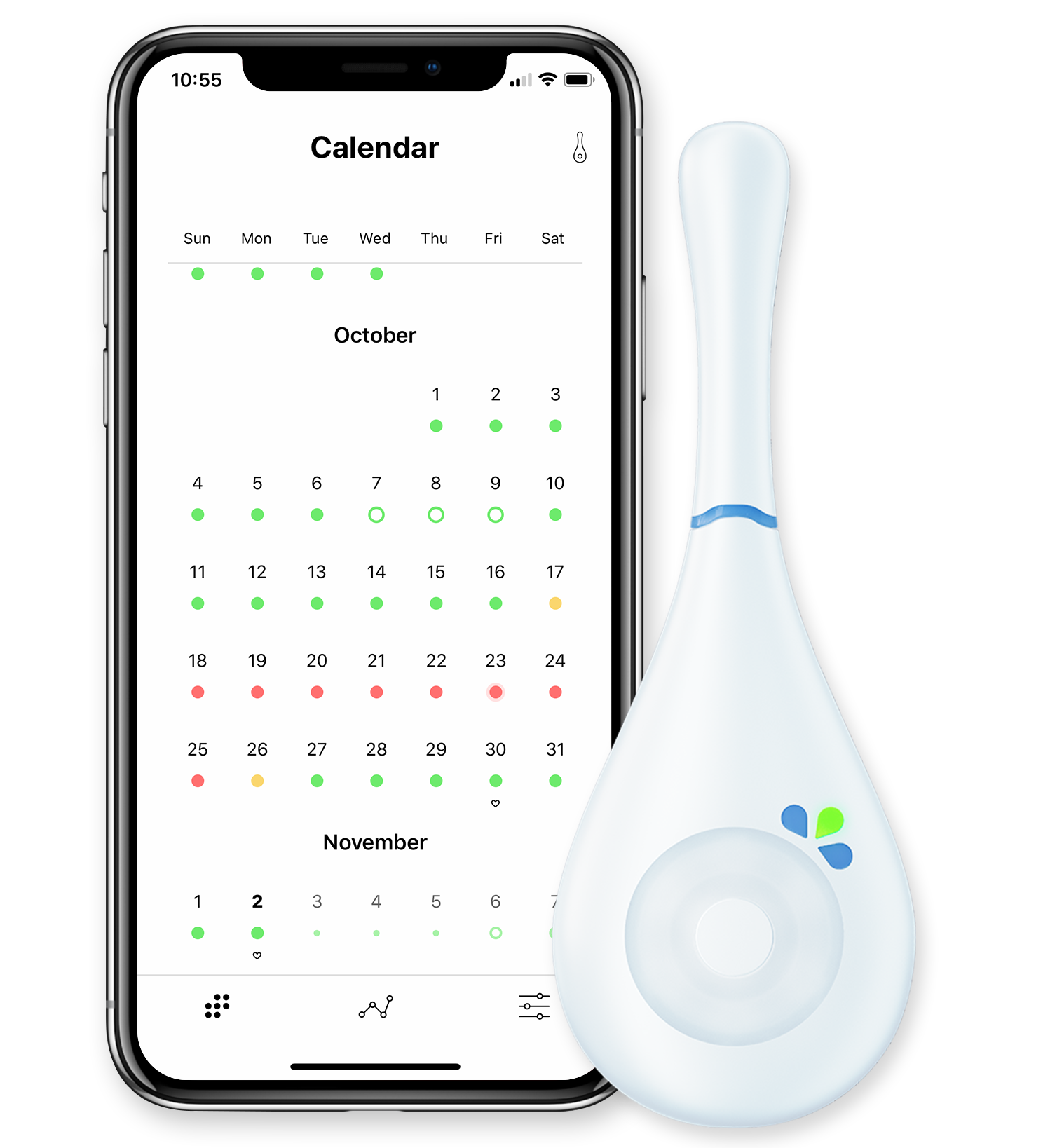
Daysy is a cycle tracker for determining ovulation and the fertile and non-fertile days in the cycle. It is not a contraceptive.
Many women with PMOS use Daysy effectively. Daysy can support you if your cycles fall within the 19 to 40 day range, including occasional cycles that exceed this range. If your cycle regularly falls outside the 19 to 40 day range, Daysy is not recommended.
PMOS vs PCOS: What Stays the Same
The transition from PCOS to PMOS will take place over three years across medical records, clinical guidelines, research publications, and patient resources. During this period, you may encounter both names. The recommended phrasing is PMOS (formerly PCOS).
Your diagnosis, your diagnostic criteria, and your treatment options remain unchanged. What changes is the framework, and with it, the expectation that the metabolic dimension of this condition is taken seriously from the start.